Compare Top Local Operators
100% Free

Planning a trip to Republic of the Congo?

Share your travel plans and get free itineraries and quotes from multiple trusted local operators.

Itineraries tailored to your travel plans Compare quotes from multiple local operators Connect directly with trusted local operators
Get Free Quotes

10k+ travelers have submitted inquiries

Republic of the Congo - Travel Guide

4.1

Must-see attractions, popular activities, and featured local operators

Central Africa

The Republic of the Congo, distinct from its larger neighbor, the Democratic Republic of the Congo, offers a rich tapestry of cultural and natural wonders, making it a unique destination for adventurous travelers. Nestled in Central Africa, this nation boasts the enchanting Odzala-Kokoua National Park, a haven for wildlife enthusiasts eager to glimpse gorillas in their natural habitat amidst lush rainforests. The vibrant capital, Brazzaville, captivates with its lively markets, colonial architecture, and the cultural landmark of Poto-Poto School of Painting, showcasing the artistic soul of the region. The Congo River itself is a lifeline and a spectacle, offering mesmerizing views and river expeditions that reveal the country's heart. Cultural richness is palpable in the rhythms of Congolese music, the flavors of local cuisine, and the warmth of its people, making the Republic of the Congo a destination where both nature and culture merge to create unforgettable travel experiences.
Attractions

Language

The Republic of the Congo is linguistically diverse, with French as the official language due to its colonial history. French is used in government, education, and media, connecting speakers of various native languages. Prominent indigenous languages include Lingala and Kituba (Kikongo), which are widely used in daily life and local media. While French links the country to the Francophone world, English, Spanish, and Mandarin have minimal presence. For travelers and those involved in international relations, understanding French or local languages enhances communication and cultural immersion.

Best Time to Visit

The best time to visit the Republic of the Congo is during the dry season, which runs from June to September. This period offers more favorable weather for outdoor activities, such as wildlife viewing in the Odzala-Kokoua National Park or exploring the Congo River. The humidity is lower, and rain is less frequent, making travel and exploration more comfortable. However, some regions may still experience occasional showers, so it's advisable to be prepared for changing conditions.

Month
Weather Overview
January
January is part of the rainy season in the Republic of the Congo, with high humidity and temperatures around 25–30°C (77–86°F). Expect frequent rain showers, especially in coastal areas like Pointe-Noire.
February
February continues the rainy season with high humidity and temperatures between 24–30°C (75–86°F). The country experiences heavy rainfall, particularly in the central and northern regions.
March
Rainfall remains significant in March, with temperatures around 24–30°C (75–86°F). The humidity stays high, and afternoon showers are common, especially in inland areas.
April
April is one of the wettest months, with frequent heavy rains and high humidity. Temperatures range from 24–30°C (75–86°F), and the landscape is lush and green due to consistent rainfall.
May
May sees a decrease in rainfall but still experiences some showers. The temperature remains around 24–30°C (75–86°F), and humidity levels are high, although slightly lower than the peak rainy months.
June
June marks the beginning of the dry season, with lower humidity and temperatures around 23–28°C (73–82°F). The country experiences less rainfall, particularly in the southern and central regions.
July
July is a dry month with lower humidity, and temperatures range from 22–28°C (72–82°F). The weather is cooler and more comfortable, making it ideal for travel, especially in coastal areas.
August
August remains dry with mild temperatures of 22–28°C (72–82°F) and low humidity levels. It’s a pleasant time for outdoor activities, with minimal rainfall and cooler nights.
September
September marks the end of the dry season, with temperatures around 23–28°C (73–82°F). Rain begins to increase, but humidity stays moderate, making it still relatively comfortable for travel.
October
Rainfall picks up again in October, with temperatures ranging from 24–29°C (75–84°F). Humidity increases, and the country experiences sporadic heavy showers, especially in the northern regions.
November
November sees consistent rainfall, with temperatures around 24–29°C (75–84°F). Humidity is high, particularly in the central and coastal regions, as the rainy season continues to linger.
December
December is similar to November, with heavy rainfall and high humidity levels. Temperatures range from 24–29°C (75–84°F), and the rainy season continues in most parts of the country.

Festivals

Month:8
Festival:Independence Day

Republic of the Congo's Independence Day celebrates its independence from France in 1960. This national holiday is marked with parades, speeches, and cultural performances. Travelers can witness patriotic displays, vibrant ceremonies, and local celebrations throughout the country.

Month:3
Festival:Festival of the Nganda

This traditional festival, celebrated primarily in the capital Brazzaville, honors the cultural heritage of the Nganda people through dance, music, and storytelling. Visitors can experience vibrant performances and learn about local customs and folklore.

Month:6
Festival:Fête de la Musique

A global music celebration, Fête de la Musique is observed in Congo with free concerts, street performances, and music festivals. Travelers can enjoy diverse musical genres from local and international artists in lively outdoor settings.

Month:12
Festival:Festival Congo in Motion

Held in Pointe-Noire, this cultural festival celebrates Congolese art, theater, music, and dance. It features performances by local artists and provides an excellent opportunity to experience Congolese creativity and talent.

Cuisine

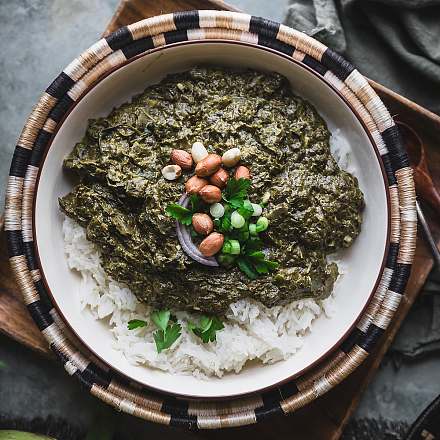
Saka-Saka

Saka-Saka

A traditional dish made with cassava leaves, cooked with ground peanuts, palm oil, and spices for a creamy and rich flavor, served with rice or fufu.

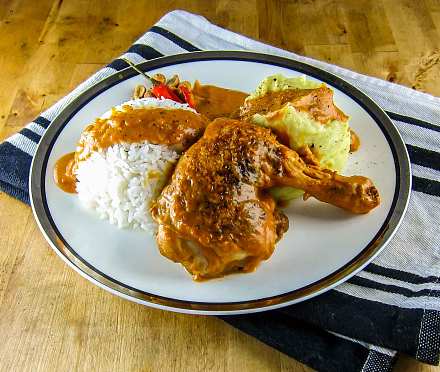
Poulet Moambé

Poulet Moambé

A flavorful chicken stew simmered in palm butter, garlic, and spices, often accompanied by rice, plantains, or fufu.

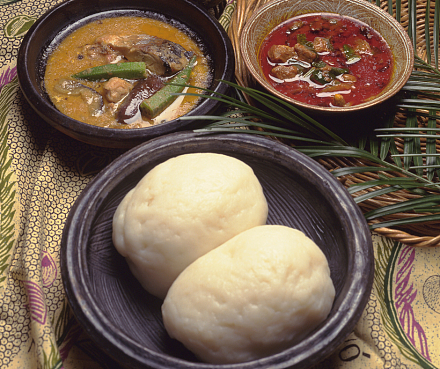
Fufu

Fufu

A starchy side dish made from fermented cassava or corn flour, boiled and pounded into a smooth, elastic dough, served with stews or soups.

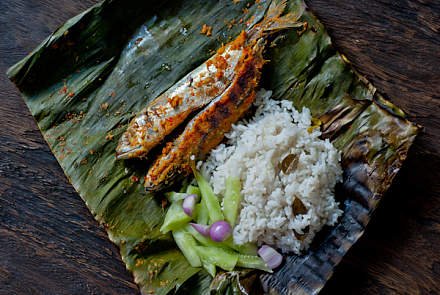
Liboké de Poisson

Liboké de Poisson

Fish marinated with spices, wrapped in banana leaves, and grilled, offering a tender and aromatic meal.

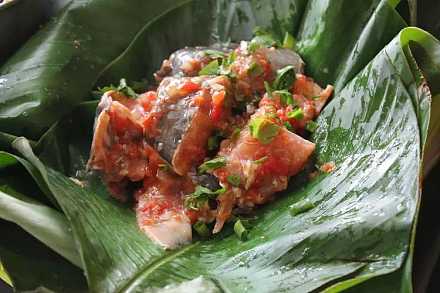
Maboké

Maboké

A variant of Liboké, featuring fish or meat marinated with tomatoes, onions, and spices, then steamed in banana leaves for a flavorful and healthy dish.

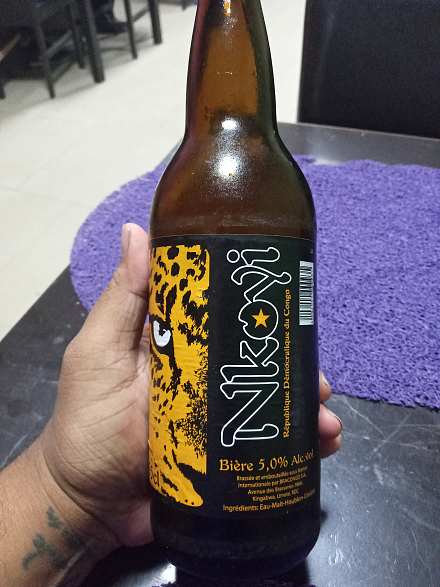
Nkayi Sugarcane Beer

Nkayi Sugarcane Beer

A locally brewed beverage made from fermented sugarcane, offering a sweet and refreshing taste.

Lotoko

Lotoko

A potent distilled spirit made from fermented corn or cassava, often referred to as “local whisky.”

Ginger Juice

Ginger Juice

A non-alcoholic, spicy-sweet drink made from fresh ginger, sugar, and water, popular as a refreshing option.

Hibiscus Tea

Hibiscus Tea

A tangy and vibrant red drink made from dried hibiscus flowers, often sweetened and served cold.

Packing

When visiting the Republic of the Congo, pack for a humid tropical climate and varied activities. Essentials include lightweight, breathable clothing, waterproof hiking shoes, and a raincoat or umbrella, especially from November to April during the rainy season. Bring high-SPF sunscreen, insect repellent, and a wide-brimmed hat for sun protection. For wildlife and forest treks, opt for long-sleeved shirts and pants. Binoculars and a good camera or smartphone are essential for capturing wildlife and landscapes.

Currency

The Republic of the Congo uses the Central African CFA franc (XAF) as its official currency, which is shared with several other countries in the region. Coins come in denominations of 1, 2, 5, 10, 25, 50, 100, and 500 CFA francs, while banknotes are available in 500, 1,000, 2,000, 5,000, and 10,000 CFA francs. ATMs are available in larger cities like Brazzaville and Pointe-Noire, but their reliability can vary, and they might not always be stocked with cash. It's advisable to carry some cash as backup. Credit card acceptance is limited mainly to upscale hotels and restaurants, particularly in urban areas. Therefore, depending on your travel plans, it's a good idea to have access to cash to cover expenses, especially in more remote areas or for smaller transactions.

Transport

The Republic of the Congo's primary gateway for international travelers is Maya-Maya Airport, located in the capital, Brazzaville, with another significant entry point being Agostinho-Neto International Airport in Pointe-Noire, catering to both domestic and international flights. For in-country travel, the Congo boasts a network of railways, roads, and river transport, though the reliability and condition of these services can vary. The Congo-Ocean Railway connects major cities and can be a scenic way to travel, while buses and minibuses offer extensive coverage for shorter distances. River ferries are a vital link for many communities, particularly in areas where road infrastructure is lacking. When navigating the Republic of the Congo, it's advisable to plan ahead, especially for remote areas. Hiring a local guide or utilizing reputable local transportation services can enhance your travel experience, ensuring safety and efficiency.

Emergency

Travelers to the Republic of the Congo should be mindful of cultural taboos such as avoiding public displays of affection, which are considered inappropriate, and being cautious not to photograph government buildings, military sites, or local people without permission, as it can be seen as disrespectful or cause for suspicion. Additionally, pointing at someone with your finger is deemed rude. In case of an emergency, visitors can dial the country's universal emergency number 112 for immediate assistance.

Power Sockets

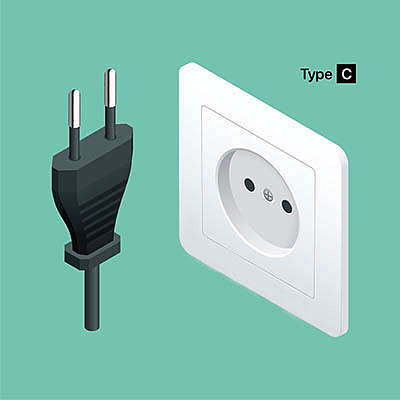
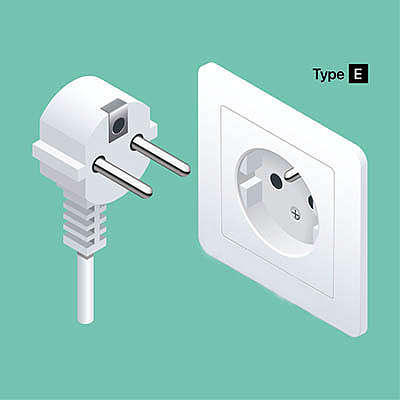
In the Republic of the Congo, the standard voltage is 230 V with a frequency of 50 Hz. Travelers should note that the country primarily uses two types of power sockets: type C and type E.

Socket sample 1Socket sample 2

Tours

View all tours

No featured routes yet

Route recommendations for this destination are coming soon.

Tour operators

View all operators